


CLEAR ACTION ♦ SAFER SITESClosing the loop on psychosocial safety, shift by shift.
A sixty-second end-of-shift check-in that turns what your crews are actually experiencing into something a supervisor can act on before the next pre-start.
THE PROBLEMEvery jurisdiction requires it. Almost nobody can evidence it.
Psychosocial hazards carry the same duty of care as physical ones, in every Australian state and territory. Identify, assess, control, monitor, and be able to show that you did.
For physical hazards, that system has existed for over forty years. Someone spots a hazard, it goes on a report, it gets actioned and recorded. It works — which is why injury frequency rates have steadily improved over decades.
For psychosocial hazards, there is often a risk assessment on file, an EAP number on a poster, and a survey run once or twice a year. No reporting pathway. No established process for handling what comes up. No record to produce when a regulator asks. Not through negligence, but through the simple fact that the mechanism has never existed, and understanding what a psychosocial hazard looks like is still new to most organisations.
The result? Nothing surfaces until it becomes a claim. By then, it's the most expensive version of the problem: psychological injury claims cost more than four times as much as the average serious claim, and keep people off work almost five times as long.
This isn't just a wellbeing issue. It's a safety issue.
80%
higher suicide rate among construction workers than the general working-age population.¹
¹ MATES in Construction.
28%
of remote mining and construction workers report high or very high psychological distress, compared with 10.8% of Australians overall.²
² Bowers J, Lo J, Miller P, Mawren D, Jones B. Psychological distress in remote mining and construction workers in Australia. Medical Journal of Australia, 2018; 208(9): 391–397.
$20.9m
in lost productivity each year per 1,000 FIFO mining workers.³
³ Cost of Health-Related Work Productivity Loss among Fly-In Fly-Out Mining Workers in Australia. International Journal of Environmental Research and Public Health, 2022; 19(16): 10056.
HOW IT WORKS60 seconds at end-of-shift → A report before the next pre-start.
Scan
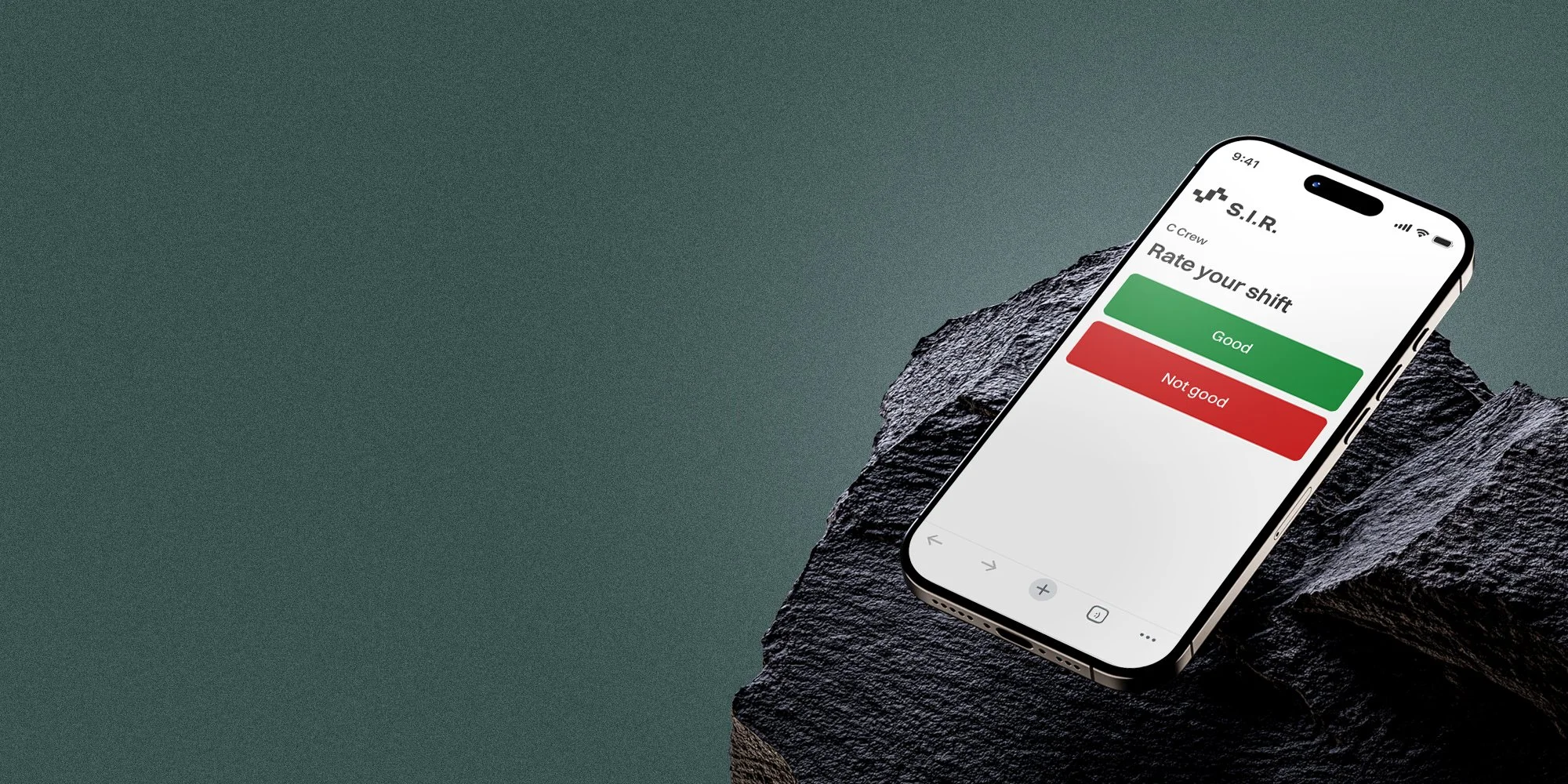
A worker scans a QR code at the end of a shift.

Unload
They complete a short, simple check-in. 60 seconds, anonymous, no app, no login.

Implement
Your report shows which risk register hazards are trending, so you know which controls to apply.

Monitor
Each new report shows whether those controls are actually working.

Watch and learn moreThe founders
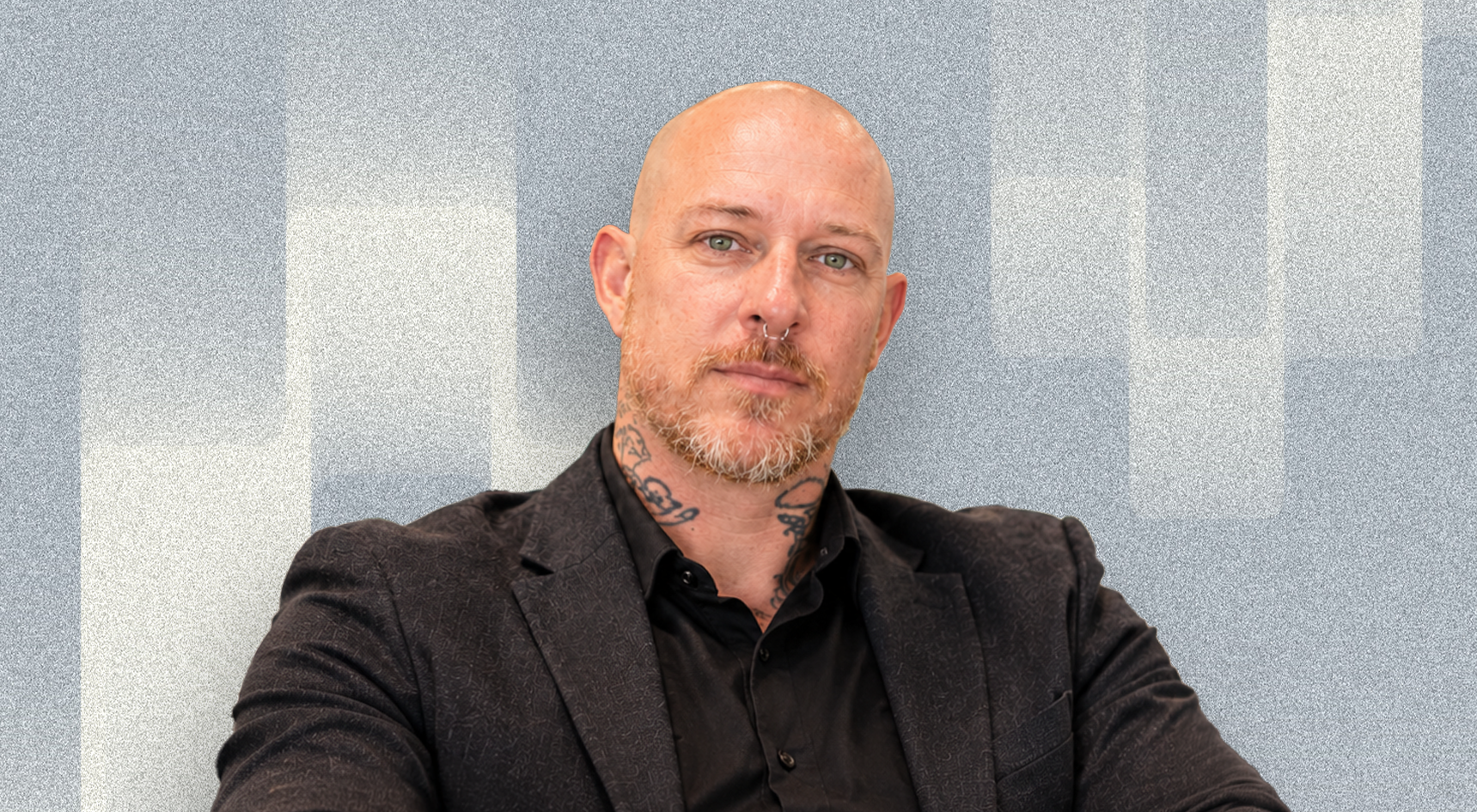
Peter Heathcote
Co-founder
Peter has worked in mining and construction safety for over twenty years. On site, on the tools, and running HSE across major civil and resources projects.
He's run the pre-starts. He's written the risk assessments. He's watched good people worn down by unrealistic timeframes and carry it home with them, into their relationships and their families, and he has seen what happens when nobody catches it early.
Something Isn't Right exists because the system that works so well for physical hazards was never pointed at the ones now doing the most damage. It's been built for the realities of the crib room, and the regulatory needs of safety teams.

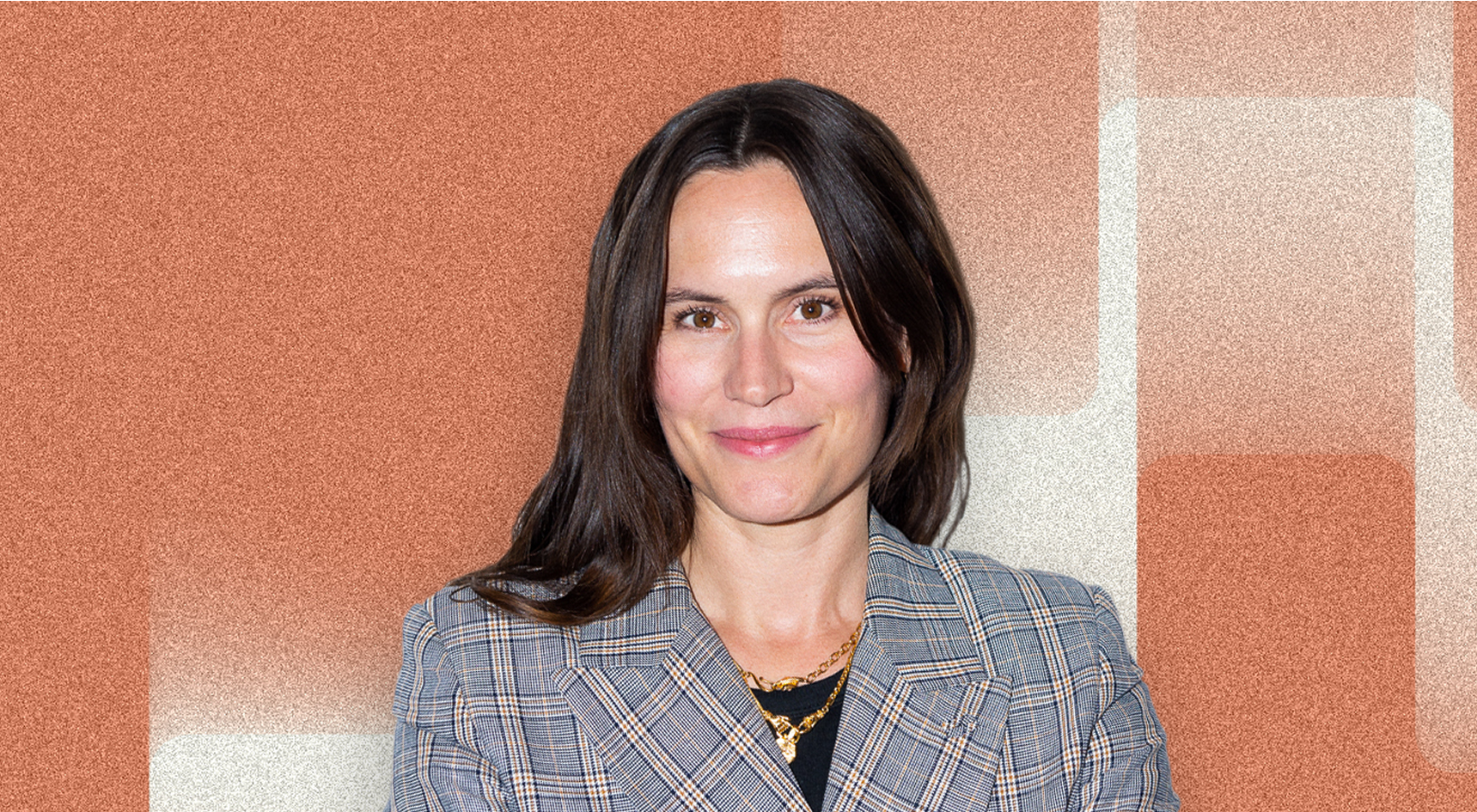
Katey Harris
Co-founder
Katey leads the business. A former commercial lawyer who went on to build and run her own retail company, she has spent twenty years working in the gap between what a business says and what actually happens on the ground. She leads brand, commercial structure and go-to-market.
PRICINGPriced per organisation. Never per worker.
Pricing scales with the number of active sites you run, not the number of people who check in. Charging per worker would give you a reason to limit participation, and the check-in only works when the whole crew uses it.
Single Operation
1-2 sites
For contractors and operators starting on one project before rolling out further.
Multi-Site
3-8 sites
For organisations running crews across several projects or rosters.
Enterprise
9+ sites
For operators and principal contractors managing psychosocial risk across a portfolio, configured to your sites, rosters and reporting lines.
FOUNDATION SITESWe are taking on a small number of foundation sites.
Psychosocial safety is where physical safety was in the 1980s. The companies that solve it first will set the standard the rest of the industry gets measured against.
Foundation sites help shape the product, and get the benefit of being early. Our first sites receive founding rates, locked in for 12 months, in return for helping shape the product. Places are limited.
If you're carrying psychosocial hazards on your risk register with controls you have not been able to test, that is the conversation worth having.
Frequently Asked Questions
-
Yes. Most organisations start with one site and expand once the reports are part of the pre-start routine.
-
No. S.I.R. catches issues early and points workers to your EAP. It works alongside the support you already have.
-
In Australia, encrypted in transit and at rest. Responses are de-identified, and crew-level results only appear once a minimum group size is reached.